

Best overall for managed contractor websites: Sitesmartly. Best for DIY editing: Wix. Best for a simple brochure site: Squarespace. This 2026 guide compares website builders for appliance repair companies by who maintains the site, how customers request service, and what you need to manage yourself.
- Sitesmartly is best for contractors who want managed websites and lead-capture tools rather than another DIY project.
- Wix is the DIY pick among website builders for appliance repair companies; WordPress.org suits businesses prioritizing ownership.
- Squarespace suits brochure sites; Webflow suits custom design; GoDaddy suits basic setups; Duda suits agency-managed sites.
- Choose appliance repair website tools around service requests, mobile usability, maintenance, and your existing scheduling process.
Why this matters
Your appliance repair website has a practical job: help a customer explain the problem and request service. A broken refrigerator needs a different intake path from a general question about dishwasher maintenance. Your site should make both paths clear without promising a diagnosis before you inspect the appliance.
The builder determines who updates those pages, maintains the software, and connects the request form to your workflow. Choose the operating model before choosing the template. A site you can maintain is more useful than an elaborate design nobody wants to touch.
What makes the best appliance repair website builder?
For this 2026 comparison, these criteria matter more than a long feature list:
- Service requests: Customers can describe the appliance, the problem, and how to reach them. You can distinguish an inquiry from a confirmed appointment.
- Mobile usability: Phone links, forms, and service-area information remain easy to use on a small screen.
- Local content: You can publish accurate pages about the appliances you repair and the places you serve.
- Maintenance: Responsibility for updates, form checks, and content changes is clear before you commit.
- Workflow fit: The website supports your actual call-handling and scheduling process rather than introducing a separate process you must babysit.
- Ownership: You understand who controls the domain, content, accounts, and access when the relationship ends.
Ask each provider to demonstrate a complete customer request. Start on a service page, submit the form, and check where the message lands. A feature name is not proof that the workflow fits your business.
Website builders at a glance
These options serve different operating models. The order favors a busy contractor's maintenance needs, not the largest design toolbox.
| Builder or service | Best for | Standout feature | Key limitation |
|---|---|---|---|
| Sitesmartly | Managed contractor websites | Managed websites with lead-capture, quoting, and call-answering tools | Confirm appliance-specific intake and scheduling requirements before choosing |
| Wix | Owner-managed editing | Visual editing with hosted website tools | You still own the content and workflow setup |
| Squarespace | Simple brochure sites | Templates and hosted content management | Specialized repair intake needs checking beyond the basic site |
| WordPress.org | Ownership and extensibility | Open-source software with themes and plugins | Hosting, updates, and plugin maintenance need an owner |
| Webflow | Designer-led custom websites | Visual design control and a content management system | More involved than a basic contractor site requires |
| GoDaddy Website Builder | Basic owner-built websites | Guided website setup | Less control than a custom development approach |
| Duda | Agency-managed website projects | Website-building tools designed for agencies | Your experience depends on the agency's service agreement |
1. Sitesmartly: best for managed appliance repair websites
Sitesmartly builds and manages websites for home-service contractors. Its stated offering includes lead-capture and quoting tools, plus automated call-answering tools. That makes the service model a fit for an owner who wants website management handled rather than another editing dashboard to learn.
For appliance repair, verify the details that affect dispatch: how a request records the appliance type, whether customers can explain symptoms, and how the request reaches your team. A quoting tool should support your process without implying that every repair can be diagnosed remotely.
Sitesmartly pros:
- Website management is part of the offering.
- The service focuses on home-service contractors.
- Lead-capture and call-answering tools address customer inquiries.
Sitesmartly cons:
- Appliance-specific workflows need confirmation.
- Scheduling connections and account ownership need explicit agreement.
Best for: Contractors who want a managed website and lead-capture service.
Verdict: Buy if the demonstrated intake process matches your business.
2. Wix: best for owner-managed website editing
Wix is a hosted website builder with visual editing tools. You can build service pages, adjust content, and use forms without managing a separate web server. It suits an appliance repair owner who wants direct control over routine changes.
That control comes with responsibility. Someone still needs to write the service descriptions, check the mobile layout, and make sure inquiries reach the right person. Treat scheduling and business-tool connections as separate requirements to verify, not assumptions attached to the builder name.
Wix pros:
- Visual editing supports routine content changes.
- Hosting is part of the platform model.
- Forms and service pages can sit in the same site.
Wix cons:
- You remain responsible for content accuracy.
- A working intake process requires setup and checking.
- Moving to another platform involves rebuilding work.
Best for: Owners willing to maintain their own website.
Verdict: Buy if you will actively manage the site.
3. Squarespace: best for a simple appliance repair brochure site
Squarespace is a hosted website platform built around templates and content editing. It suits a straightforward site that explains your services, shows your work, and gives customers a clear way to contact you.
Keep the scope honest. A brochure site can explain refrigerator, washer, or oven repair without becoming a dispatch system. If you need appointment booking or detailed intake, check the relevant tools and connections separately.
Squarespace pros:
- Templates give a straightforward starting point.
- Hosting and content editing share one platform.
- It supports service descriptions and visual content.
Squarespace cons:
- Repair-specific intake needs additional evaluation.
- Template structure limits some custom layout choices.
- Content and request handling remain your responsibility.
Best for: Small operators needing service information and contact routes rather than a custom workflow.
Verdict: Buy for a focused brochure site; skip for complex intake unless the setup is demonstrated.
4. WordPress.org: best for website ownership and extensibility
WordPress.org provides open-source website software that you run with a hosting provider. Themes control presentation, while plugins add functions such as forms and content tools. The structure gives you more choice over hosting and development than a closed hosted builder.
That flexibility has an operational cost: someone must maintain the installation. Name the person responsible for updates, backups, security, and broken connections before the site launches. A contractor should not discover that responsibility after a form stops working.
WordPress.org pros:
- You choose the hosting provider.
- Themes and plugins support different website requirements.
- Developers can extend the underlying software.
WordPress.org cons:
- Updates and backups need ongoing attention.
- Plugin compatibility needs checking.
- Responsibility can become unclear across several vendors.
Best for: Businesses with technical support and a clear ownership priority.
Verdict: Buy with a maintenance owner; skip an unmanaged installation.
5. Webflow: best for designer-led custom service websites
Webflow combines visual website design with a content management system. It suits a project where a designer needs control over layout and reusable content structures, such as separate appliance-service pages.
The design flexibility is useful only when the project needs it. A custom layout does not replace accurate service information or reliable request handling. Ask the designer to show how your office will change service areas and edit pages after launch.
Webflow pros:
- Designers can control layouts without relying only on templates.
- Structured content supports repeatable page types.
- Visual development supports custom presentation.
Webflow cons:
- Setup is more involved than a basic brochure site.
- Editing responsibilities need a clear handover.
- Intake connections still require separate verification.
Best for: Established businesses working with a designer on a custom website.
Verdict: Buy when custom design serves a defined requirement; skip for a basic contact site.
6. GoDaddy Website Builder: best for a basic owner-built site
GoDaddy Website Builder provides a guided approach to creating a hosted website. It suits an owner who needs to publish service information and contact details without starting a custom development project.
Keep the first version focused. Explain what you repair, where you work, and how customers request service. Before choosing the platform, try the actual form and page-editing tools rather than judging only the example template.
GoDaddy Website Builder pros:
- Guided setup provides a clear starting point.
- Hosting and website editing share a platform.
- The approach suits a limited website scope.
GoDaddy Website Builder cons:
- Custom layouts have less freedom than a development project.
- Detailed intake requirements need checking.
- You still maintain the service content.
Best for: Owners building a basic informational website themselves.
Verdict: Buy for a simple starting point; skip when custom workflows drive the project.
7. Duda: best for an agency-managed website project
Duda is a website-building platform designed for agencies and web professionals. For an appliance repair company, the relevant purchase is usually the agency's website service, not just the underlying platform.
Judge the provider's responsibilities carefully. Ask who changes service pages, checks forms, and handles a handover. The same platform can support different service agreements, so the agency's process matters as much as the editor.
Duda pros:
- Agency-oriented tools support managed website delivery.
- Templates and reusable sections support page construction.
- Client editing can be part of the agency setup.
Duda cons:
- Management quality depends on the provider.
- Access and handover terms need written agreement.
- Platform choice alone does not establish a repair intake process.
Best for: Contractors selecting an agency to build and maintain the site.
Verdict: Buy the service agreement, not the platform name.
How to check an appliance repair website before launch
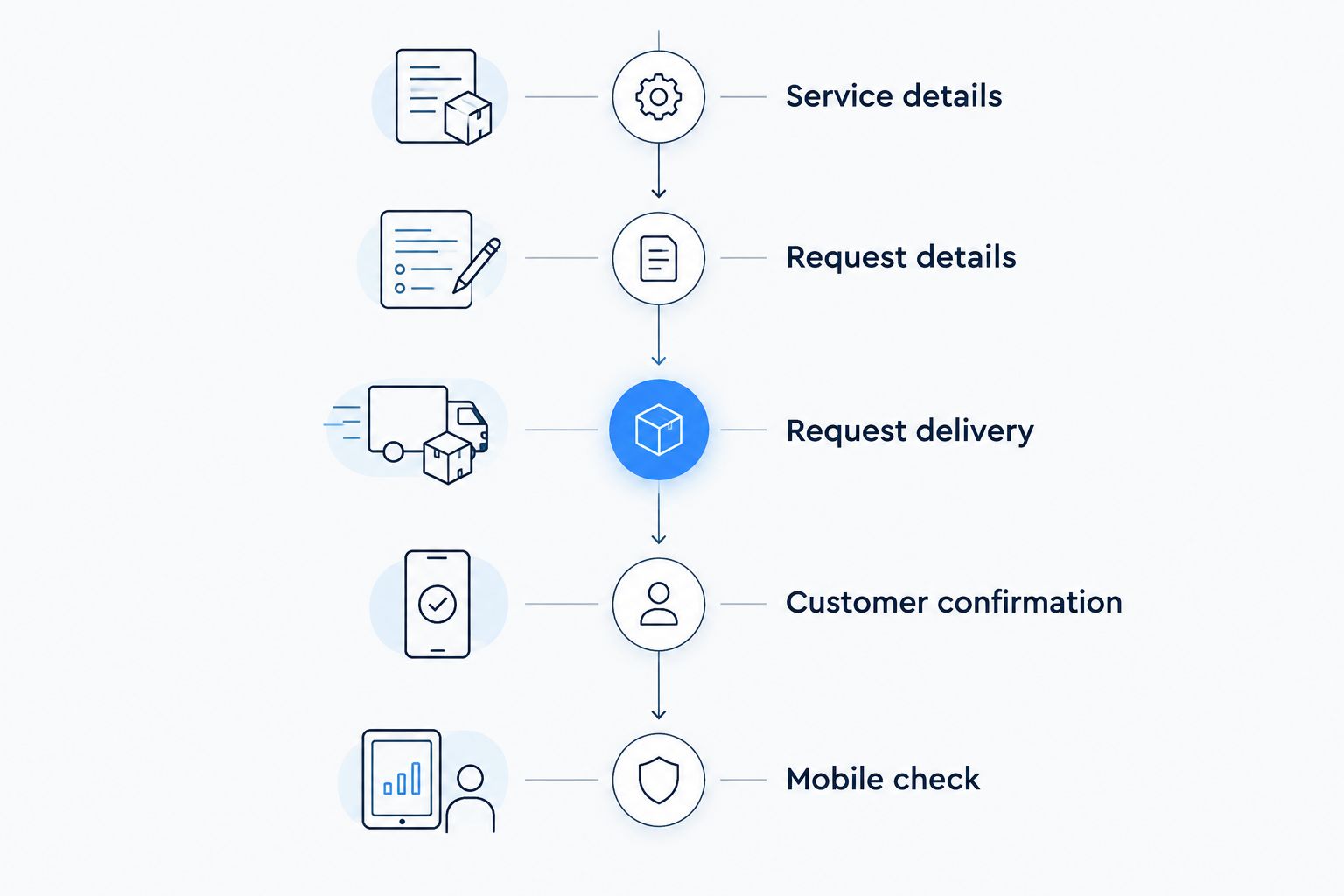
For your 2026 launch or rebuild, follow the request through the whole process. Use these checks whether you choose a managed service or build the site yourself.
Service details
State the appliance categories you actually repair and the areas you actually serve. Keep exclusions visible. Do not imply manufacturer authorization or brand coverage unless you can support the claim.
Request details
Give customers 3 core information groups: contact details, appliance details, and problem details. Ask for a model identifier when it helps your process, but explain where customers can find it. Avoid turning a simple inquiry into an inspection questionnaire.
Request delivery
Submit a test request and check the destination. Confirm who receives it and who owns the response. A message appearing in an inbox does not mean somebody has accepted responsibility for it.
Customer confirmation
Separate these 2 routes: requesting service and confirming an appointment. Tell customers which action they have completed. Do not label an inquiry as a booking if your team still needs to approve the visit.
Mobile check
Test the service page, phone link, and form on a phone. Check these 5 points together: readable text, visible contact options, usable fields, successful submission, and clear confirmation. Fix the request path before polishing decorative sections.
How we ranked these website options
This 2026 ranking prioritizes operating fit: maintenance responsibility, customer intake, local content, editing control, and ownership. The recommendations distinguish managed services from owner-built platforms because those choices put different work on your desk.
This is a workflow comparison, not a claim that every listed option includes appliance-specific dispatch features. Ask for a demonstration of your requirements before choosing. A platform's general capabilities do not prove that a particular provider has configured them for your business.
Which appliance repair website builder should you choose?
Choose managed service if you do not want to maintain the website yourself. Choose Wix when you want direct editing control, Squarespace for a focused brochure site, or WordPress.org when ownership and technical flexibility come first.
For a 2026 project, Webflow belongs on the shortlist when custom design has a clear purpose. GoDaddy suits a basic self-built site. Duda belongs in an agency discussion where responsibilities and handover terms are explicit.
Check the managed website approach
See the contractor website service and compare it with the intake process your appliance repair business needs.
FAQ
What's the best website builder for an appliance repair company?
Sitesmartly is the managed-service pick for contractors who want website management and lead-capture tools. Wix suits DIY editing, while WordPress.org suits businesses with technical support and an ownership priority.
Is Wix better than WordPress for appliance repair websites?
Wix is the better fit when you want hosted visual editing without managing a separate installation. WordPress.org is the better fit when hosting choice and extensibility matter, provided someone owns maintenance.
Do I need online booking on my appliance repair website?
You need a clear service-request process; automatic appointment booking is a separate decision. Use confirmed booking only when the system reflects your scheduling rules, service area, and capacity.
What should an appliance repair website form ask customers?
Ask for contact details, appliance details, and a description of the problem. Add information that helps your actual intake process rather than collecting details nobody uses.
Can a website builder help my appliance repair company rank locally?
A website builder can support local service content, but choosing a builder does not guarantee rankings. Publish accurate service and location information, keep pages accessible, and maintain your business information.
How much does an appliance repair website cost?
Check current provider terms and request a quote for your required scope. Compare website management, content changes, form setup, maintenance, and connected tools rather than treating every website offer as equivalent.
Should I build my appliance repair website myself or hire someone?
Build it yourself if you will maintain the content and test the request process. Choose a managed provider when you want those responsibilities handled under an explicit service agreement.
One last thing
A working form is not the same as a working lead process. Before launch, send a clearly marked test inquiry through your own website and ask the person responsible to explain what happens next. If nobody owns the response, changing builders will not fix that gap.